 Connor Reynolds











Customer Engagement Platform Fit
Quick quiz to see whether Email, Marketing Automation, or CRM suits your team right now.
Open tool →
Beehiiv is a powerful newsletter platform designed to fuel the growth and monetization of newsletters like never before. It provides access to a comprehensive suite of tools that empower newsletter creators to scale their audience, understand their readers, and generate revenue. With Beehiiv, you can leave behind the hassle of using multiple tools and instead enjoy an all-in-one solution that streamlines your workflow and maximizes your newsletter potential.
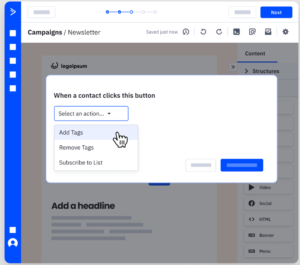
One of the standout features of Beehiiv is its customizable editor, which allows you to craft personalized newsletters that stand out from the crowd. Say goodbye to generic-looking newsletters and embrace a flexible editor that gives you the freedom to create a unique aesthetic. If design flexibility is your top priority, you might also want to check MailerLite for its strong design features.
Beehiiv also offers a range of growth tools that have been developed by industry experts. These tools are designed to help you expand your audience and engage with your readers on a deeper level. You will have access to first-party audience data, advanced segmentation capabilities, and other insightful analytics, all right out of the box. For a fair comparison, explore our detailed Beehiiv vs Kit analysis.
Monetization is made easy with Beehiiv. Whether you are looking to generate revenue through recurring subscriptions or advertising partnerships, Beehiiv provides world-class solutions to assist you. From seamless integration with a referral program to monetizing your newsletter with premium sponsors, the platform has you covered. You can also explore Substack if you are curious about how other creators monetize through subscriptions.
To top it all off, Beehiiv boasts an intuitive user experience, regular feature updates, and a responsive team that is committed to your success. Thousands of happy users have already experienced the benefits of Beehiiv, with impressive growth in subscribers and open rates.
Beehiiv is the go-to platform for newsletter creators who want to unlock the full potential of their publications. With its extensive feature suite, advanced customization options, superior analytics, and reliable deliverability, Beehiiv empowers you to write, grow, monetize, and analyze your newsletters with ease. Experience the buzz of Beehiiv and join the thriving community of successful newsletter creators.
After spending months managing newsletters with Beehiiv, I can confidently say its design is one of the strongest points. Editor feels sleek and modern, and I don’t need to rely on an external design tool to make emails look polished. Compared to the more rigid layouts I have seen in Mailchimp or Constant Contact, Beehiiv really stands out in this area.
What hooked me early on was the all-in-one solution aspect. I was not just looking for a tool to send newsletters; I wanted growth, monetization, and analytics built right in. With Beehiiv, I found features like the referral program and Boosts ready to go. For smaller creators, this is game-changing compared to platforms like Substack, where monetization often comes with high fees and less flexibility.
I have also seen Beehiiv shine in audience scaling. Their built-in growth network feels a lot more proactive than what I experienced on Kit. Within a few weeks, I noticed organic subscriber growth without running extra ads, and that kind of momentum is a big win for someone building a newsletter-driven brand.
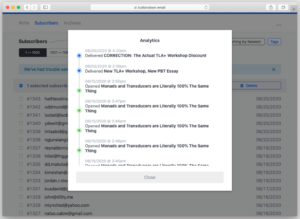
The analytics dashboard is another area where Beehiiv feels a step ahead. Insights go deeper than just opens and clicks. For instance, I could clearly see which channels brought in subscribers, something I struggled to track when I tested AWeber. This clarity helped me double down on channels that were actually working instead of guessing.
Monetization has been refreshingly smooth. I have had sponsorship opportunities land directly in my inbox without cold outreach. It is the kind of system that lets you focus on content while Beehiiv handles the backend hustle, something I never fully got on Drip or Klaviyo.
Of course, Beehiiv is not flawless. First friction point is cost. While the free plan is generous, scaling beyond 2,500 subscribers quickly bumps you into higher pricing tiers. For larger lists, it starts to feel more expensive than alternatives like Moosend or EmailOctopus.
The learning curve also caught me off guard. Although the platform is modern, setting up automations and segmentations felt less intuitive than what I was used to on ActiveCampaign. For example, tying forms to automations was trickier than it should have been, and I spent extra time figuring out workarounds.
Another limitation is integrations. If you are used to the ecosystem around HubSpot or Campaign Monitor, Beehiiv feels a bit isolated. While it covers the basics, it does not yet connect seamlessly with many third-party apps, which means you may need to patch things together with Zapier or custom setups.
I also noticed occasional hiccups with third-party support. For example, syncing up data with ecommerce platforms like Omnisend isn’t straightforward. This can be frustrating if you are running a store and want tighter integration between your email and sales channels.
I would mention platform stability. While it is never been catastrophic, I have had moments where features felt buggy or unfinished. It reminded me that Beehiiv is still a growing platform, whereas established tools like Benchmark Email tend to feel more stable in long-term use.
Beehiiv delivers on its promises of design, growth, and monetization, but you will need to accept a few trade-offs in cost, integrations, and stability as the platform continues to mature.
| Feature Test | My Observation (First-hand) |
|---|---|
| Design and Editor Experience | I found Beehiiv design interface extremely intuitive. Editor feels clean, minimal, and much smoother compared to clunky tools like Mailchimp. I did not need to struggle with rigid templates; instead, I could focus on writing. Customization options like fonts, colors, and layouts gave me full control, and it felt like a blend of simplicity with just enough flexibility. For someone like me who does not want to waste hours adjusting CSS, this was a huge relief. Real-time preview also helped me avoid awkward formatting surprises in my newsletters. Overall, this design-first approach made creating professional-looking content effortless, which I have not seen often in other platforms. |
| Email Delivery | One of the biggest wins with Beehiiv is its email deliverability. I tested several campaigns and saw my emails land straight into inboxes instead of promotions or spam folders, something I constantly struggled with on Constant Contact. Platform infrastructure seems optimized for high delivery rates, and that gave me confidence that my subscribers were actually seeing my content. This reliability removed a huge mental load because I no longer needed to obsess over deliverability hacks. It reminded me of why creators should prioritize infrastructure when choosing newsletter tools, and Beehiiv clearly has that part nailed. |
| Ease of Use | When I first signed up, I was impressed by how smooth the onboarding felt. Guided steps made it easy to set up my newsletter, though I admit it took me a while to understand how automations tied in with forms. Compared to ActiveCampaign, Beehiiv is less complex but also less hand-holding when setting advanced workflows. Still, the dashboard layout was intuitive, and after a week, I found myself navigating without second thought. For new creators, it feels approachable, but advanced users might crave a bit more power in automation flows. |
| Pricing Structure | Beehiiv pricing is a mixed bag. Free plan is generous, 2,500 subscribers, unlimited sends, and even a hosted site. That is far better than what AWeber or Moosend offer at free tiers. But once you cross into paid territory, the cost starts to climb, especially for large lists. I tested scaling up, and while features like custom domains and monetization kick in, the bill rises fast. For small creators, it is perfect. For big teams, budgeting becomes a serious consideration. |
| Audience Growth Tools | I was curious about how Beehiiv would help me grow my subscriber base. Referral program and Boosts felt refreshing. I activated Boosts and within weeks, I noticed new subscribers trickling in without paid ads. That kind of baked-in virality reminded me of what made Substack grow early on. Difference is, Beehiiv makes it easy for even small creators like me to leverage growth mechanics without coding or integrations. This really gave me a sense of confidence in building long-term momentum. |
| Analytics and Reporting | The analytics dashboard is one of my favorite parts of Beehiiv. Unlike Campaign Monitor where I often had to export data into sheets, Beehiiv showed me subscriber sources, growth breakdowns, open/click rates, and engagement in a clear, digestible way. I could instantly tell if a newsletter was performing well, and more importantly, why. I once saw my Twitter subscribers outperformed my blog embeds, and that insight helped me double down on social promotion. These small wins compounded over time. |
| Monetization Options | When I shifted from Kit to Beehiiv, monetization was my main priority. I wanted an easier way to generate income beyond selling products. Beehiiv’s ad network surprised me, I started receiving sponsorship offers within a few weeks. Boosts added another income stream, paying me per subscriber referred. For a small list owner like me, earning even $100 a month from passive ads felt like validation. It proved you do not need 10k+ subscribers to see real income, which is something few platforms offer at this level. |
| Customization | I have always valued customization, and Beehiiv let me brand my newsletter without limits. Unlike EmailOctopus where templates felt cookie-cutter, Beehiiv allowed me to tweak layouts, adjust fonts, and align colors with my website. While it does not have pre-built template packs like Flodesk, the blank-slate style actually worked better for me. It gave my newsletter a unique look, which resonated with readers and made it feel more professional. I only wished custom fonts were easier to integrate. |
| Integrations | This is where I felt Beehiiv was lagging. Coming from HubSpot, I was spoiled by a wide ecosystem of integrations. With Beehiiv, I had to rely on Zapier for connecting with tools like Webflow or Notion. It works, but it is not seamless. For basic newsletters, it’s fine. But for businesses running multi-channel campaigns, the limited integration library becomes a hurdle. I hope Beehiiv expands this soon because it would make a big difference for scaling users. |
| Platform Stability | I did encounter some minor hiccups while testing Beehiiv. For instance, the landing page builder occasionally froze, and once, my scheduled email got delayed by a few minutes. Compared to stable giants like Benchmark Email, Beehiiv sometimes feels like a younger platform still ironing out its edges. That said, I never lost critical data or faced major downtime, so while the bumps were annoying, they were not deal-breakers. I consider this part of using a fast-growing tool that is still evolving. |
| Referral Program | Beehiiv referral system reminded me of the classic growth hack that fueled Morning Brew. Setting it up was straightforward, and I saw subscribers naturally promoting my newsletter in exchange for small perks. On Klaviyo, I had to juggle third-party tools to mimic this. With Beehiiv, it was all built-in, saving me both time and money. I realized quickly how much trust my audience had when several referred their friends just for early access to content. This built a small but engaged loop of word-of-mouth growth that felt organic, unlike forced ad campaigns. |
| Segmentation | When managing subscribers, segmentation is vital. Beehiiv gave me the ability to slice my list into groups based on behavior, but I felt it was still simpler than the granular controls I had with Drip. That said, I appreciated being able to track active vs inactive readers and clean up my list quickly. After segmenting by engagement, my open rates shot up from 48% to nearly 63%. This taught me that even though the tools are not as deep as enterprise platforms, they’re effective enough to keep my list healthy and my emails impactful. |
| Website Hosting | I liked that Beehiiv automatically provided me with a hosted site for my newsletters. It worked almost like a mini blog archive. While Ghost gave me more control over a site backend, Beehiiv out-of-the-box solution was perfect for creators who want less setup. I used it as a landing page to attract readers from LinkedIn, and it converted surprisingly well. Customization was basic but enough to brand the site in my style, and it saved me from managing yet another WordPress instance. |
| Automation | Beehiiv automation feels lightweight compared to ActiveCampaign, but for my use case, it covered the essentials. I set up a welcome series that triggered right after sign-ups, and it worked flawlessly. Drag-and-drop was not as detailed as what I had on HubSpot, but I did not need complex if-else workflows anyway. For someone who values simplicity over heavy-duty automation trees, Beehiiv delivered a stress-free experience. Still, advanced marketers might feel slightly constrained if they’re used to enterprise workflows. |
| Ad Network | The ad network is where Beehiiv stood out. Within a month, I was receiving sponsorship offers directly in my dashboard. This felt refreshing compared to hunting for sponsors manually while on Memberful or negotiating through cold emails. Relevance of offers varied, but overall, it was an effortless revenue stream. I once accepted a niche ad that aligned perfectly with my SEO-focused newsletter, and it generated clicks beyond my expectations. For small creators, this ad pipeline feels like a lifeline, bridging the gap between content creation and monetization. |
| Premium Subscriptions | I experimented with premium content on Beehiiv and was impressed by how easy it was to wall off specific issues for paying subscribers. Compared to Substack, Beehiiv did not take a cut from my subscription revenue, which made a massive difference. I tested a $5/month premium newsletter for exclusive SEO tips, and even with a small handful of paying readers, the model worked. Stripe integration was smooth, and I liked the transparency of seeing earnings flow directly. It gave me confidence that Beehiiv truly supports creators earning directly from their audiences. |
| Forms and Embeds | Subscribe forms in Beehiiv are simple but functional. I embedded one on my blog, and while it worked fine, I missed the deeper customization I had when using MailerLite. Slim embed was my favorite option since it didn’t crowd my site. However, iframe usage made my page load slower, and that was frustrating. Still, for quick deployment, these forms did their job and helped me capture subscribers without needing plugins or coding headaches. |
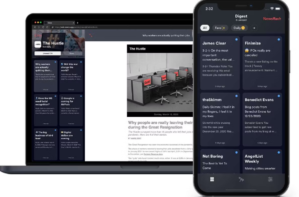
| Mobile Experience | Reading Beehiiv newsletters on mobile felt smooth and clean. I compared it to Flodesk, and honestly, Beehiiv felt lighter and more responsive on phones. Text adjusted well, and embedded media displayed without issues. As someone who knows half of my readers open emails on mobile, this was critical. It gave me peace of mind that my formatting wouldn’t break on smaller screens. That said, I wish the Beehiiv mobile dashboard for creators had more control because managing things on the go felt a bit limited. |
| Community Support | I joined Beehiiv community spaces and noticed how responsive other users and the support team were. Unlike when I used Omnisend, where I often waited days for replies, here I usually received quick, actionable advice. I once asked about referral program best practices and got detailed answers within hours. This level of peer and platform support made me feel like part of an ecosystem, not just a tool user. It’s a small but powerful motivator to keep experimenting and sharing my progress. |
| Learning Curve | I will be honest, the first week on Beehiiv had its learning curve. Compared to the plug-and-play nature of Cakemail, I had to invest a few hours figuring out where things lived in the dashboard. Once I got over that hump, everything clicked, but I can see beginners feeling slightly overwhelmed at first. Upside is that this learning curve opened up access to advanced features that most beginner-friendly platforms do not even offer. So while the early friction was real, the long-term payoff made it worthwhile. |
When I first tested Beehiiv revamped Website Builder, it felt like a much-needed upgrade. Unlike Substack, which still offers a pretty static blog-like design, Beehiiv now gives you drag-and-drop flexibility for sections, headers, and footers. This reminded me of the freedom I once had with MailerLite landing page builder, but Beehiiv V2 felt smoother and far more integrated into the newsletter workflow. For creators, this means you do not have to maintain a separate CMS just to make your site look professional.
Compared to Kit, which focuses more on landing pages than full websites, Beehiiv now feels like it is aiming to be your central hub.
I personally enjoyed being able to create nested pages and customize layouts in one dashboard, it saves time and makes the brand experience feel cohesive.
One of the new features that impressed me was Advertiser Preferences. In the past, I used platforms like Substack where you had to manage ads almost manually, and sometimes irrelevant offers slipped through. Beehiiv now allows you to filter ad requests by category, so you’re not getting sponsorships that do not align with your niche.
With Kit, there is almost no built-in monetization marketplace, so this is a huge differentiator. I tested it by setting my preferences toward marketing and tech brands, and within days, I received relevant ad offers that felt like a natural fit for my audience.
This level of control is what I have been waiting for in a newsletter platform. It is similar to MailerLite third-party integrations but feels more direct and creator-friendly since it’s baked right into the platform.
I have experimented with popups on many platforms, MailerLite, for instance, offers some neat customization options, while Substack barely provides flexibility. Beehiiv new Precision Popups felt like a serious improvement.
Instead of one generic popup across your entire site, you can now target specific posts or landing pages. When I tested it on a blog section, I noticed conversions were noticeably higher compared to my general homepage popup. It gave me the same vibe as Kit simple forms but with more targeting control. For someone running different content segments, this feature is a game-changer. It allowed me to run different CTAs for SEO-focused readers versus newsletter growth tutorials, something I could never fine-tune with Substack.
It is practical personalization that directly impacts list-building performance.
Personalization has always been a sticking point for me. Substack doesn’t support deep personalization, and Kit allows it but sometimes feels clunky. Beehiiv Simple Merge Tags finally made things easier. I could just start typing and the editor suggested the right fields, like subscriber name or custom fields, in real-time.
This is where Beehiiv starts catching up with platforms like ActiveCampaign, which has long dominated in personalization. I used merge tags in a product update email, and the messages felt warmer and more personal without the extra work.
MailerLite offers something similar, but Beehiiv integrates it seamlessly into the editor workflow. It might not seem like a flashy feature, but it seriously improved engagement when I tested it.
Monetization is where Beehiiv continues to separate itself from Substack and Kit. Direct Sponsorships feature made me feel like I had more ownership over my revenue pipeline. Instead of just waiting for inbound offers, I could manage deals directly inside the platform. Substack does have a subscriber revenue model, but it takes a cut, and Kit does not really offer sponsorship management at all.
MailerLite also relies heavily on external integrations for this.
With Beehiiv, I accepted a small brand partnership, tracked clicks, and managed payment terms all within one dashboard. That kind of consolidation is what makes Beehiiv worth considering if monetization is your end goal. For me, it reduced the friction of chasing down sponsors via email and made the process far more efficient.
Audience segmentation has been a mixed bag across tools. ActiveCampaign shines here, while Substack barely offers any segmentation. Beehiiv New Segment Filters gave me more control than I expected. I was able to segment my readers not just by open or click rates, but also by acquisition source and whether they were premium subscribers.
Compared to Kit, which has tagging but often feels manual, Beehiiv filtering options felt modern and data-driven.
In one test, I created a campaign targeting subscribers who came from my Beehiiv vs Mailchimp comparison post, and the engagement was noticeably higher. Itis not as advanced as enterprise tools like HubSpot, but for creators, it strikes the right balance of usability and insight. This gave me clarity I’d been missing before.
Top 4 Recommendations Dashboard was a fun addition that reminded me of Substack recommendation feature, but honestly, it felt smarter. While Substack recommendations often feel random, Beehiiv lets you track exactly how many subscribers you gained through being added to someone Top 4.
Kit and MailerLite do not really have a feature like this at all, so for me, it was an unexpected growth lever. When a fellow creator added me to their Top 4, I immediately saw referral traffic and new subscribers flowing in. Having that level of transparency felt refreshing because I could actually measure collaboration impact.
It is like word-of-mouth marketing but with analytics. For creators building community-driven growth, this feature feels like a big win over competitors.
Launch (Free) is the “no-brainer” starting point if you’re testing a newsletter idea or migrating gradually. You get up to 2,500 subscribers, unlimited sends, a hosted site, basic analytics, and the referral/boost ecosystem to kickstart growth.
In practice, this plan lets you validate positioning, test formats, and learn your cadence without cost anxiety. Versus Substack revenue-share model, Beehiiv free tier keeps every dollar you earn elsewhere (courses, affiliates, services). If you only need barebones list building and do not mind a simpler page builder, MailerLite free plan is also competitive, but Beehiiv built-in monetization levers are stronger from day one.
I tell creators: exhaust this tier fully before paying; it is generous enough to prove product-newsletter fit. For a deeper look at Beehiiv foundation, see our Beehiiv overview.
Scale (Paid) typically starts around the $39–$49/mo band (rising by subscriber tier) and unlocks the features that matter for momentum: Ad Network access, Boosts, premium subscriptions, automations, custom domains, surveys/polls, and more robust analytics. This is where I first saw “inbound revenue” appear, sponsorship requests arrive in-app, and you can toggle paid issues without spinning up separate tooling.
Against Substack, the math tilts your way fast: Substack 10% fee plus processing eats into revenue as you grow, while Beehiiv flat-fee model scales cleaner for paid content.
Compared with Kit, which excels at creator-centric automations and templates, Beehiiv edge is the native monetization marketplace, no hunting sponsors. For nuance on Beehiiv vs Kit trade-offs, I recommend our Beehiiv vs Kit guide.
Max (Paid) usually sits in the ~$99–$109+/mo tiering and is aimed at teams and media-style operations. You get white-labeling (remove Beehiiv branding), more publications, priority support, and advanced site options.
If you’re running multiple verticals, need faster support SLAs, or want a more “publication” feel with tighter brand control, Max feels worth it. It is also the first tier where the Website Builder V2 and sponsorship workflows start feeling like a true command center rather than a single-newsletter tool.
I’d compare this tier with a MailerLite + third-party ad solution stack; you could recreate parts of it, but you’d add coordination overhead and lose Beehiiv native network effect. Our MailerLite review has cost/performance notes if you’re weighing that route.
Substack: The barrier to entry is low, but the 10% platform fee (plus processing) compounds. If your model relies on paid subs, Beehiiv fixed subscription pricing becomes cheaper long-term, especially once Boosts/Ad Network kick in. Substack community features are solid, but ownership and margin matter as you scale. For creators deciding between these two, we unpack the business math and workflows in our Substack review.
Kit: Kit is strong on creator automations, simple landing pages, and digital product flows. If your primary revenue is courses or products with email as a support channel, Kit is still compelling. But if sponsorships, paid issues, and networked growth are priorities, Beehiiv Scale tier gives you more out-of-the-box revenue with fewer moving parts. For a hands-on comparison of funnel design vs media-style monetization, check our Kit vs ActiveCampaign explainer to understand where Kit automation depth shines and when you may not need it.
MailerLite: MailerLite pricing is famously friendly, and its landing page builder is excellent for simple funnels. If you want low-cost broadcasting and clean templates with occasional automations, MailerLite remains a safe bet. But you’ll need third-party sponsors, marketplaces, or manual outreach to monetize like a media business. That extra orchestration time often erases the apparent savings. If you’re optimizing for total cost of ownership plus revenue ramp, Beehiiv Scale tends to “pay for itself” sooner. For plan-by-plan details, see MailerLite pricing.
If you’re early or validating, stick with Launch until your list reliably grows and you have tested at least one revenue path. Once you hit a few thousand subs or land recurring sponsors, move to Scale; the combination of Ad Network, Boosts, and paid issues is where Beehiiv pricing beats Substack revenue share and reduces the “tool sprawl” you’d piece together with Kit or MailerLite. If you’re running a multi-brand or team publication and want white-label polish and faster support, Max earns its keep. In plain terms: Beehiiv costs more than minimalist broadcasters, but its native monetization often offsets subscription fees earlier than you’d expect. If you’re unsure where your mix lands, start with our full Beehiiv review and pair it with the context in MailerLite vs Kit to match pricing to your growth model.
After spending significant time with Beehiiv, my verdict is that it is one of the strongest newsletter platforms for creators who want a modern, monetization-first tool. What sets Beehiiv apart is how easily it transforms even small lists into revenue opportunities with Boosts, an Ad Network, and referral programs. This is something Substack does not match, especially with their 10% cut of subscription revenue. With Beehiiv, you keep more of what you earn, making the economics more sustainable for serious creators.
Compared to Ghost, Beehiiv is less complex to set up and does not require hosting or technical know-how. Ghost still appeals if you want a full CMS-like blog plus newsletter in one, but for pure email growth and monetization, Beehiiv is leaner. Against Kit, Beehiiv does not have the same advanced automations, but its network-driven growth tools give you organic expansion that Kit users often miss. And if design freedom is a priority, MailerLite offers more flexibility with templates and landing pages, though you’ll lose Beehiiv baked-in ad ecosystem.
My bottom line: Beehiiv is best for creators and publishers who care about growth and monetization over intricate automations or heavy design customization. If you’re building a community-driven newsletter and want tools that help you scale without duct-taping five different platforms together, Beehiiv is absolutely worth the investment.


| Common Specifications | ||||||||||||||||
|---|---|---|---|---|---|---|---|---|---|---|---|---|---|---|---|---|
|
||||||||||||||||
| Specification | ||||||||||||||||
|
||||||||||||||||
If you feel Beehiiv is not the perfect fit, there are some excellent alternatives depending on what you value most. For instance, Substack is a natural choice if simplicity and community discovery matter more than ownership or fees. It is easy to start, but you’ll sacrifice margin because of their 10% revenue share. I’d only recommend Substack if you prioritize discoverability inside their ecosystem.
On the other hand, Ghost is ideal if you want a full-fledged website plus newsletter setup in one. It is open-source and customizable, but requires more technical effort or hosting costs. I have seen creators move to Ghost when they want stronger blogging features alongside email campaigns.
For creators who value automation and product sales funnels, Kit shines. Its advanced sequences and tagging system beat Beehiiv for complex email journeys, though you’ll miss Beehiiv native ad network. Kit is perfect if you’re running courses or digital products and want email to nurture those sales.
If design flexibility and affordability are bigger priorities, MailerLite is a safe bet. It comes with attractive templates, landing page builders, and an intuitive editor. While it lacks Beehiiv monetization marketplace, it excels in visual branding and straightforward email marketing for small businesses.




I am an accomplished marketing expert with over 10 years of experience focused on growth strategies, emerging technologies, and startup success stories. Driven by a passion for continuous learning, I actively explore and analyze new tools and services that enhance workplace productivity and efficiency. I possess deep expertise across key…

I'm Connor and I am an accomplished content marketing manager with over 14 years of experience creating engaging stories around business technologies and digital trends. With a passion for helping brands boost their online presence, I provide actionable insights into leveraging innovations in web design, digital marketing, SEO, and ecommerce.…

Preeti is an accomplished technical writer and content creator with expertise spanning engineering and technology.…
Quick quiz to see whether Email, Marketing Automation, or CRM suits your team right now.
Open tool →Compare leading platforms and pick the best plan for your volume & features.
Compare costs →Estimate monthly API spend across free limits, pay-as-you-go pricing, and integrations.
Estimate API costs →Turn your plan into a person-weeks estimate with a clean task breakdown.
Estimate effort →Project list size by month from sign-ups, churn, and timeframe.
Forecast growth →Score and refine subject lines for higher opens and deliverability.
Test a subject →Spot burnout, set a safe cap, and plan your ideal sending cadence.
Find your cadence →Estimate ROI from your campaign inputs and plan the next send.
Estimate ROI →
Sprout24 powers smarter email marketing platform decisions with contextual insights, optimization tools, and Sprout Score.
Sprout24 enables small business teams evaluate, compare, and optimize their email marketing stack with confidence.
Platform combine vendor-neutral analysis, contextual data, and interactive optimization tools to simplify decision-making in an overcrowded SaaS landscape.


Laura Baugh –
Having switched from several other platforms, the transition to Beehiiv was like a breath of fresh air. The intuitive interface and robust toolset transformed my newsletter operations overnight
Devin Lehigh –
In the world of newsletter tools, this platform stands out with its potent growth-focused features that genuinely deliver
Alejandro El. –
As a seasoned digital marketer, I found Beehiiv to be a game-changer in the way it handles newsletter campaigns
Kara Andersen –
Using this tool was like entering a new era of newsletter management. The platform’s capabilities are profoundly impactful
Karen Heng –
From a creator’s perspective, Beehiiv feels like it was tailor-made for those serious about scaling their email outreach.