
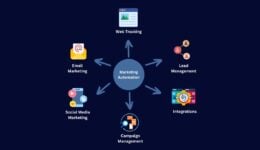
The right marketing automation tool can serve as the backbone of a successful marketing strategy, providing businesses with the ability to streamline operations, enhance customer engagement, and ultimately drive growth. HubSpot and Kit are two prominent players in the marketing automation landscape, each offering unique strengths tailored to different types of businesses.

HubSpot, established in 2006, has evolved into a comprehensive platform that not only supports marketing automation but also sales, customer service, and operations. It’s designed to be an all-in-one solution for small to midsize businesses that need robust tools to manage every aspect of their customer relationships.
On the other hand, Kit appeals specifically to bloggers, content creators, and small businesses focused on building and nurturing an online audience. Launched in 2013, Kit simplifies email marketing with easy-to-use tools for creating personalized communications that help creators grow their followings and monetize their crafts effectively.
Core Offerings and Target Audience
Core Offerings and Target Audience
HubSpot and Kit, while both serving as powerful tools in marketing automation, cater to distinct target audiences with specially tailored features. This differentiation highlights how strategic focus shapes the development and marketing of technology products, influencing the type of user each platform best serves.
1. HubSpot: Comprehensive Tool for Small to Midsize Businesses
HubSpot is renowned for its broad spectrum of capabilities that extend beyond email marketing to include sales pipelines, customer service modules, and extensive CRM functionalities. This makes it particularly valuable for small to midsize businesses (SMBs) that are looking for an integrated approach to manage and optimize their customer interactions across different phases of the customer journey.

HubSpot platform acts as a one-stop shop for these businesses, providing tools that facilitate a seamless flow of data between marketing, sales, and customer support teams. The holistic approach helps businesses streamline operations, improve customer relationships, and increase efficiencies, which are crucial for scaling operations in competitive markets.
2. Kit: Specialized for Bloggers and Content Creators
Contrastingly, Kit offers a more focused set of tools that are specifically designed for bloggers, artists, and content creators. This niche focus is evident in its user-friendly email marketing and automation features that support personal outreach and the building of subscriber lists.

Kit simplifies the creation of landing pages, sign-up forms, and email campaigns with an emphasis on ease of use and efficiency, catering to individuals who may not have extensive technical skills but need powerful tools to grow their audience and monetize their content. The platform’s features allow creators to maintain a personal touch while automating routine tasks, making it easier to send targeted content that resonates with their community and drives engagement.
3. Strategic Tailoring to Market Needs
Both platforms showcase how a deep understanding of one’s audience can inform product features and marketing strategies. HubSpot uses its capabilities to solve a broader range of business problems, positioning itself as essential for businesses seeking growth and operational efficiency through technology. Kit, meanwhile, focuses on providing specific solutions to individual creators, making advanced marketing tools accessible without the complexities that often accompany comprehensive platforms. This approach not only meets the unique needs of content creators but also empowers them to focus on what they do best-create.
Pricing Comparison
Pricing and Value for Money
When considering marketing automation tools like HubSpot and Kit, pricing plays a crucial role, especially for businesses monitoring their budgets while seeking the best return on investment. Each platform employs distinct pricing structures tailored to their specific target audiences, which reflect their core functionalities and the value they offer.
1. HubSpot: Tiered Pricing for Scalability
HubSpot offers a tiered pricing model that grows with businesses, making it suitable for small to midsize enterprises that might scale rapidly. This model includes a free tier, which provides basic features like contact management, email marketing, and form building-enough for businesses just starting their digital marketing efforts.

As needs expand, HubSpot pricing escalates through several levels, from Starter to Enterprise packages, each adding more sophisticated features such as advanced automation, custom reporting, and greater integration capabilities. While HubSpot higher tiers may appear costly, they are justified by the extensive array of features and the all-in-one platform that can replace multiple disparate systems, potentially reducing overall software costs.
2. Kit: Straightforward and Creator-Focused Pricing
Kit, on the other hand, approaches pricing with a straightforward model aimed at bloggers and content creators, often individuals or small teams. It offers a free plan for up to 1,000 subscribers, which includes basic email sending capabilities and simple automations to help creators get started without upfront investment.

Paid plans are based on the number of subscribers and include additional features like automated funnels and premium support. The pricing is designed to be affordable for creators at different stages of their business growth, emphasizing ease of use and essential features that directly support their needs.
3. Comparing Value for Different Business Needs
For small businesses and startups, Kit may offer better value as it provides the necessary tools at a lower cost, especially when budget constraints are tighter and the business model revolves around direct engagement with a growing audience. In contrast, HubSpot presents a higher upfront cost but can be seen as a long-term investment for businesses planning to leverage a full suite of marketing, sales, and service tools in one platform. This can be particularly valuable for businesses with complex sales cycles, multiple customer touchpoints, and a need for deep data analytics to drive decisions.
Here is an unbiased price plan comparison table for HubSpot and Kit:
| Price Plan Parameter | HubSpot | Kit |
|---|---|---|
| Lowest Price Plan | $800/month (Marketing Hub Professional) | $0/month (Newsletter Plan) |
| Lowest Plan Limitations | 2,000 contacts, 3 seats | 10,000 subscribers, 1 user, basic features |
| Highest Price Plan | $3,600/month (Marketing Hub Enterprise) | $50/month (Creator Pro) |
| Highest Plan Limitations | 10,000 contacts, 5 seats, advanced features | 1,000 subscribers, unlimited features |
| Free Trial Limits | No free plan, but free tools available | Up to 1,000 subscribers |
| Free Trial Days | N/A | 14 days |
| Add-on Prices | Professional onboarding $3,000, Enterprise onboarding $7,000 | N/A |
4. Insight into Specific Business Needs
Choosing between HubSpot and Kit often comes down to specific business needs and growth trajectories. Kit is ideal for those who require a no-frills, effective email marketing tool that scales with the number of subscribers, while HubSpot is suited for businesses seeking comprehensive tools that support not just marketing but also sales and customer service from a single platform. Each platform’s value is best measured not just in terms of cost but how well it aligns with a business’s operational needs and long-term strategic goals.

Kit
Comparison of Features
Features Comparison
In the realm of marketing automation tools, the features offered by a platform can significantly influence its suitability for different business models. HubSpot and Kit both provide robust features, but their focus and capabilities cater to distinctly different audiences, making a feature-by-feature comparison essential for businesses deciding between the two.
1. Email Marketing and Automation
Both HubSpot and Kit offer strong email marketing capabilities, but their approaches and additional functionalities differ. HubSpot provides a comprehensive email marketing tool that integrates deeply with its CRM.
This integration allows for sophisticated segmentation, personalized email campaigns based on user behavior, and triggers that adapt based on complex customer journey mapping. Its capabilities are broad, supporting everything from basic newsletters to complex automation workflows that nurture leads across various stages of the customer lifecycle.
Kit, while also offering robust email marketing features, focuses more on the needs of bloggers and content creators. It simplifies the process of creating visually appealing emails with a user-friendly interface. Kit strength lies in its ease of use and efficiency in managing large lists of subscribers while providing powerful automation options specifically designed to engage and grow a creator’s audience.
These automations are particularly tailored for tasks like sending sequenced emails based on subscriber actions, which is ideal for content creators looking to monetize their audience through courses, digital products, and memberships.
2. CRM Capabilities
HubSpot shines in its CRM capabilities, which are far more extensive than those of Kit. HubSpot CRM system is not just an add-on but a core feature that integrates seamlessly with all other aspects of the platform. This allows for detailed tracking of customer interactions, sales pipeline management, and data-driven decision-making.
Small to midsize businesses that require detailed reports and analytics on customer interactions across sales, marketing, and customer service will find HubSpot CRM tools invaluable.
Kit does not offer a traditional CRM system. Instead, it focuses on subscriber management features that allow users to segment their audience and track engagements primarily through email interactions.

This model works well for creators and small businesses whose main interaction with customers is through content and direct communications rather than complex sales processes.
3. Landing Pages and Form Builders
Both platforms offer landing page and form builders, crucial for lead capture and conversion. HubSpot provides a more dynamic range of customization options, catering to businesses that need multiple landing page formats and deeper integration with marketing campaigns.
Its builder supports a wide array of customization, A/B testing, and analytics features, which are essential for optimizing conversion rates.
Kit approach to landing pages and forms is straightforward and less complex, prioritizing ease of use and rapid deployment.
It offers templates that are easy to customize without needing extensive technical knowledge, making it suitable for users who prefer simplicity and speed over advanced functionality.
4. Digital Product Sales and Subscriptions
A unique feature of Kit is its built-in capabilities for selling digital products and managing paid subscriptions directly through the platform. This is a standout feature for creators and bloggers who want to monetize their content without integrating third-party e-commerce tools. Kit simplifies the process, from product setup to managing subscriptions, making it an all-in-one solution for content-driven businesses.
5. Advanced CRM and Analytics Tools
HubSpot suite includes advanced CRM and analytics tools that provide deeper insights into marketing performance and customer behaviors. These tools are particularly beneficial for businesses looking to scale and require detailed reports to make informed marketing decisions. HubSpot analytics can track customer interactions across multiple channels, providing a holistic view of the marketing impact on sales and customer retention.
Kit
Easy User Interface
Ease of Use and User Interface
When selecting a marketing automation tool, the ease of use and the quality of the user interface (UI) are critical factors, especially for businesses with limited technical expertise or those seeking to implement solutions with minimal training. Both HubSpot and Kit prioritize user experience but cater to different levels of user proficiency and needs.
| Aspect | HubSpot | Kit |
|---|---|---|
| User Interface (UI) | Powerful yet user-friendly interface suitable for both beginners and advanced users. Clean, intuitive design simplifies complex features. | Streamlined, minimalist UI tailored for solo entrepreneurs and content creators. Eliminates clutter and complex features. |
| Navigation | Straightforward navigation with a logically structured menu for easy access to features like marketing automation, CRM, and sales tools. | Simple navigation focused on creating campaigns, managing subscribers, and viewing performance metrics. |
| Onboarding and Training Resources | Provides a wealth of educational resources including guided onboarding and regular training webinars to help users leverage the platform fully. | Minimalist approach with fewer onboarding resources, reflecting a simpler setup and user experience. |
| Customization and Learning Curve | Offers a broader range of customization options, requiring more investment in learning to use effectively, suitable for businesses with dedicated marketing teams. | Simplifies setup and requires minimal configuration, allowing users to start seeing results quickly with less technical knowledge required. |
Integrations and Ecosystem
Integrations and Ecosystem
The ability of a marketing automation tool to integrate seamlessly with other software and services is crucial for ensuring that businesses can build a cohesive technology ecosystem. Both HubSpot and Kit offer integration capabilities, but their approaches and the breadth of their offerings differ significantly to cater to their distinct user bases.
| Aspect | HubSpot | Kit |
|---|---|---|
| Integration Ecosystem | Vast ecosystem with over 1,000 integrations across various business functions. Popular integrations include Salesforce, Shopify, WordPress, and Slack. | Focused integrations tailored to bloggers, creators, and small businesses. Key integrations with platforms like Patreon, Teachable, and WooCommerce. |
| Data Flow | Seamless data flow between HubSpot and other platforms, facilitating tracking and management of customer interactions, marketing automation, and unified customer journey insights. | Smooth integration with content management systems and e-commerce platforms, ensuring direct linkages between email marketing efforts and content/sales strategies. |
| Suitability for Medium to Large Businesses | Ideal for medium to large businesses utilizing diverse software solutions across different departments, requiring deep data insights and complex workflow management. | Suited for small businesses, bloggers, and creators looking for simplicity in their tech stack while leveraging automation and data synchronization for essential business functions. |
Kit
Customer Support
Customer Support and Community
Effective customer support is crucial for users of marketing automation platforms, particularly as these systems become central to a business’s operations. HubSpot and Kit both recognize the importance of support, but offer it in ways that best suit their respective user bases.
1. HubSpot: Comprehensive Support for Diverse Needs
HubSpot provides a multi-tiered support system that reflects its broad customer base and the complexity of its platform. Users have access to an extensive array of support options including phone support, email, and live chat, though the availability of these services can vary depending on the subscription level. For instance, phone support is reserved for Professional and Enterprise customers, which aligns with the needs of larger organizations requiring more in-depth technical assistance.

Additionally, HubSpot places a strong emphasis on educational resources. It offers a comprehensive knowledge base, HubSpot Academy for in-depth training and certifications, and community forums that allow users to connect with other marketers, sharing tips and solutions. These resources are invaluable for businesses looking to maximize their use of the platform.
2. Kit: Streamlined Support Focused on Creators
Kit support structure is tailored to the needs of bloggers and content creators, who typically may not require as complex support structures as larger businesses but still value quick and effective assistance. The platform offers email support and live chat, with priority going to higher-tier subscribers. Moreover, Kit has a vibrant community and runs regular workshops to help new users get the most out of their features.

What sets Kit apart is its focus on empowering users through community-driven support and learning opportunities. The Kit community is not just a place for troubleshooting but also a network where creators share strategies and inspiration, which is highly valued in the creative content space.
Kit
Reporting and Analytics
Reporting and Analytics
Both HubSpot and Kit provide robust reporting and analytics features, but they cater to different levels of complexity and detail to match the needs of their respective users.
1. HubSpot: Advanced Analytics for Comprehensive Insights
HubSpot offers a highly sophisticated analytics dashboard that caters to businesses looking for deep insights into their marketing, sales, and customer service efforts. The platform enables users to generate custom reports and dashboards that reflect real-time data across all interactions within the software.

This might include website activity, email performance, sales conversions, and much more. HubSpot strength lies in its ability to provide detailed analytics that help businesses understand the effectiveness of their marketing campaigns and pinpoint areas for improvement.
The integration of HubSpot CRM with its marketing tools allows for seamless tracking of customer journeys, providing a holistic view of how marketing efforts are translating into sales. This level of detail is invaluable for medium to large businesses that rely on data to drive strategic decisions and refine their marketing tactics continuously.
2. Kit: Streamlined Analytics for Creators
Kit, on the other hand, offers more streamlined analytics that are easy to understand and act upon for bloggers and content creators. The platform provides essential metrics such as open rates, click rates, subscriber growth over time, and conversion rates from specific campaigns. While these metrics are simpler than those offered by HubSpot, they are precisely what Kit users need to effectively monitor their engagements and optimize their content strategies.

Kit analytics are designed to be immediately actionable, providing content creators with the insights needed to adjust their approaches quickly – for instance, tweaking email content or timing based on subscriber interactions and feedback. This focus on essential metrics without overwhelming users with too much data makes Kit a practical choice for its target audience.
Market Reputation and Customer Satisfaction
Market Reputation and Customer Satisfaction
Evaluating the market reputation and customer satisfaction of HubSpot and Kit reveals much about how well each platform serves its intended audience. Both tools are leaders in their segments, but they cater to very different user bases with distinct expectations and needs.
| Criteria | HubSpot | Kit |
|---|---|---|
| Target Audience | Small to midsize businesses | Content creators, bloggers, small business owners |
| Strengths | All-in-one functionality, scalability, integration | Ease of use, focused feature set, effective support |
| Features | Inbound marketing, sales, customer service tools | Email list management, automation |
| Customer Satisfaction | High | High |
| Notable Feedback | Robustness, comprehensiveness, integration ability | Usability, clean interface, customer service |
| Learning Curve | Steeper | Lower |
| Price | Higher | Lower |
Our Experience
In Our Experience
Deciding between HubSpot and Kit involves more than just comparing feature lists or pricing structures; it requires a deep understanding of your business’s specific needs, goals, and the kind of relationship you intend to build with your audience. Both platforms offer robust solutions tailored to their respective markets, but they serve very different purposes.
Here’s a comparison table for HubSpot and Kit, featuring 25 key aspects with ratings:
| Feature | HubSpot Rating | Kit Rating |
|---|---|---|
| Ease of Use | ⭐⭐⭐⭐ | ⭐⭐⭐⭐⭐ |
| Email Marketing | ⭐⭐⭐⭐⭐ | ⭐⭐⭐⭐ |
| Marketing Automation | ⭐⭐⭐⭐⭐ | ⭐⭐⭐⭐ |
| CRM Integration | ⭐⭐⭐⭐⭐ | ⭐⭐ |
| Landing Pages | ⭐⭐⭐⭐ | ⭐⭐⭐ |
| Sales Pipeline Management | ⭐⭐⭐⭐⭐ | ⭐⭐ |
| Customer Support | ⭐⭐⭐⭐ | ⭐⭐⭐⭐ |
| Content Management System | ⭐⭐⭐⭐⭐ | ⭐⭐ |
| Analytics and Reporting | ⭐⭐⭐⭐⭐ | ⭐⭐⭐ |
| Segmentation | ⭐⭐⭐⭐⭐ | ⭐⭐⭐⭐ |
| A/B Testing | ⭐⭐⭐⭐⭐ | ⭐⭐⭐ |
| Lead Scoring | ⭐⭐⭐⭐⭐ | ⭐⭐⭐ |
| Third-Party Integrations | ⭐⭐⭐⭐⭐ | ⭐⭐⭐ |
| Webinar Support | ⭐⭐⭐⭐ | ⭐⭐ |
| Social Media Integration | ⭐⭐⭐⭐⭐ | ⭐⭐ |
| Custom Workflows | ⭐⭐⭐⭐⭐ | ⭐⭐⭐ |
| SEO Tools | ⭐⭐⭐⭐⭐ | ⭐⭐ |
| Form Builder | ⭐⭐⭐⭐ | ⭐⭐⭐ |
| Ecommerce Capabilities | ⭐⭐⭐⭐ | ⭐⭐⭐⭐ |
| Price | ⭐⭐⭐ | ⭐⭐⭐⭐ |
| Mobile Optimization | ⭐⭐⭐⭐ | ⭐⭐⭐⭐ |
| Templates | ⭐⭐⭐⭐⭐ | ⭐⭐⭐ |
| Onboarding and Training | ⭐⭐⭐⭐ | ⭐⭐⭐ |
| Custom Domain Support | ⭐⭐⭐⭐⭐ | ⭐⭐⭐⭐ |
| Community and Resources | ⭐⭐⭐⭐ | ⭐⭐⭐⭐ |
1. HubSpot: The Comprehensive Marketing Suite
HubSpot is ideal for businesses that require a comprehensive, all-encompassing marketing solution. Its strength lies in its extensive suite of tools that cover not just marketing, but also sales and customer service. This integration across multiple functions makes HubSpot a powerful option for businesses looking to implement a cohesive strategy that touches every aspect of the customer journey. The ability to scale, combined with advanced analytics and a wide range of integrations, makes HubSpot suitable for businesses poised for growth or those that already operate at a larger scale.
2. Kit: Streamlined for Engagement and Monetization
On the other hand, Kit is specifically designed for creators, bloggers, and small businesses that focus heavily on building and engaging with an audience directly. Its user-friendly interface, straightforward analytics, and tools tailored for content creators make it an excellent choice for those who prioritize ease of use and efficiency in their marketing tools. Kit helps bridge the gap between content creation and audience monetization, providing essential services without the complexity of more extensive platforms.
3. Final Thoughts
Your decision should align with your business’s size, the complexity of your marketing needs, and how you engage with your customers or audience:
(a) HubSpot is the go-to for those needing a robust, feature-rich platform that can handle complex automation and data analysis across multiple channels.
(b) Kit appeals to those who need a simple, effective tool that supports direct engagement and helps monetize personal content.
Frequently Asked Questions
Questions related to Hubspot vs Kit
Is Kit more affordable than HubSpot?
Yes, Kit is generally more affordable than HubSpot, especially for small businesses and individual creators. Kit’s pricing is based primarily on the number of subscribers, offering a free tier and then scaling up based on list size, which can be particularly advantageous for those just starting out or operating on a tighter budget. HubSpot, while offering a free tier, quickly escalates in cost as more advanced features and higher levels of customization are required.
Can I use HubSpot if I am a solo entrepreneur?
Absolutely, solo entrepreneurs can use HubSpot, especially those who anticipate scaling their operations and require a comprehensive suite of tools that go beyond email marketing. HubSpot integrations, CRM capabilities, and automation tools make it suitable for managing a broad range of business activities efficiently. However, solo entrepreneurs should consider the cost versus benefit, as HubSpot can be more expensive and complex than what might be necessary for smaller operations.
What kind of support can I expect from Kit?
Kit offers targeted support options that include email and live chat. The platform is known for its responsive customer service, with a strong focus on community and education-based support. Kit also provides access to a knowledge base and runs regular online workshops, which are incredibly useful for users looking to maximize their use of the platform effectively.
Which platform offers better templates for marketing campaigns?
HubSpot offers a wider variety of templates for marketing campaigns compared to Kit. With its extensive array of customizable templates for emails, landing pages, and more, HubSpot caters to businesses looking for a high degree of customization and branding in their marketing efforts. Kit’s templates are more limited but are specifically designed to be effective and easy to use for bloggers and content creators.
How do HubSpot and Kit handle data analytics and reporting?
HubSpot provides comprehensive data analytics and reporting features that allow businesses to monitor a wide range of metrics across marketing, sales, and customer service. Its powerful analytics tools support detailed reports and customization to suit various business needs. Kit, while simpler, offers essential analytics that focus on email campaign performance and subscriber engagement-sufficient for content creators and small businesses interested in straightforward metrics and usability.
- 03 Mar 2026 – Added tutorial video
- 05 Nov 2025 – Sprout Score adjusted
How do we evaluate email marketing tool?
Manual testing is the process that goes beyond just ticking boxes. Our team start by defining clear testing objectives based on the intended use of email marketing tools and platforms. Each tools undergoes a rigorous user experience analysis, where we simulate real-world scenarios to gauge performance, usability, and reliability.
We pay special attention to the integration capabilities, data security, and compliance standards of the MarTech vendor. This hands-on 25 test-point approach allows us to uncover nuances that automated testing might miss, providing a more holistic understanding of the tools.
How do we evaluate and benchmark email marketing service effectively?
Our evaluation process is data-driven and multi-dimensional. Our team analyze tool performance metrics against industry standards and similar product platforms.
Key performance indicators (KPIs) are meticulously examined, including ease of use, customization options, scalability, customer support effectiveness, and innovation. We also incorporate user feedback to ensure our benchmarks reflect actual user experiences and expectations.
This comprehensive method ensures a fair and effective comparison of the email marketing services.
How accurate are these comparisons and alternative suggestions of the email marketing tools?
We pride ourselves on the accuracy of our comparisons and suggestions. Our team expertise, combined with advanced analytics tools, ensures that our data is both current and relevant. We constantly update our database with the latest market trends and user feedback, which helps us provide accurate and timely recommendations.
However, it’s important to remember that each business has unique needs, and our suggestions are a starting point for their decision-making process.
Why email marketing tool buyers trust Sprout24 reports and analysis?
Our reputation for trustworthiness stems from our commitment to impartiality and depth of research. We do not just skim the surface; we go deep into each email marketing tools and service capabilities and shortcomings.
Our reports are comprehensive, easy to understand, and transparent, explaining not just what we recommend but why. This transparency and thoroughness are why email marketing tool buyers trust our reports.
Our FTC Disclosure explains the sources of funding and revenue of Sprout24 platform; this enables us to curate straightforward and unbiased reviews.
How these reports help in reducing the time to purchase a email marketing platform?
Our reports and guides significantly reduce the time to purchase by providing clear, concise, and comparative information. Email marketing tool buyers don’t have to spend countless hours researching; they can find all the necessary information in one place.
Our Sprout scoring system, user reviews, and feature comparisons simplify the decision-making process, enabling buyers to make informed choices quickly.
How effective is the scoring system and help email marketing service buyers in making fast decision?
Sprout Score Scale of 0–10 rating is crafted to provide a quick, yet detailed view of a platform overall standing in various categories.
This scoring system, backed by in-depth contextual data analysis, allows email marketing service buyers to immediately gauge suitability of the tool / service for their needs. It simplifies complexity and enables fast, informed decisions, which is crucial in the fast-paced world of business.


